

Apartment living in Pune is growing rapidly. High-rise buildings and gated communities require strong fire safety systems Pune to protect families and property. In 2026, safety regulations are stricter, and awareness among residents is more important than ever.
Every resident should understand how fire systems work, what compliance requires, and how to respond during emergencies. Fire safety is not just the builder’s responsibility—it is a shared duty of housing societies and occupants.
Why Fire Safety Is Critical in Apartments
Residential fires often start due to:
Electrical short circuits
Gas leaks
Overloaded appliances
Improper storage of flammable items
In high-rise apartments, quick detection and evacuation are essential to prevent major damage.
Essential Fire Safety Systems in Pune Apartments
1. Fire Alarm & Detection Systems
Smoke detectors in corridors
Heat detectors in common areas
Central fire alarm panels
Early alerts help residents evacuate quickly.
2. Automatic Sprinkler Systems
Sprinklers control fire before it spreads. High-rise buildings must install them as per National Building Code (NBC) norms.
3. Fire Extinguishers
Installed in corridors and parking areas
ABC type for general fire hazards
CO₂ type for electrical fires
Residents should know their locations.
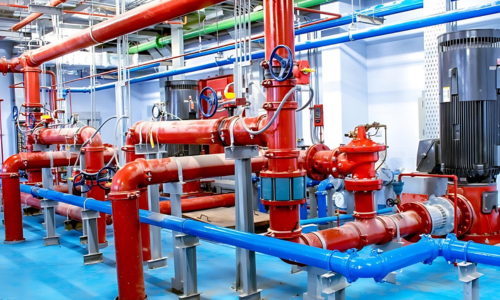
4. Fire Hydrant & Pump Systems
Hydrant systems supply water to control large fires. Fire pumps ensure adequate pressure throughout the building.
Fire NOC & Compliance for Housing Societies
Apartment complexes in Pune must obtain and renew Fire NOC from the local fire department. This requires:
Annual fire audit
Regular maintenance of equipment
Updated documentation
Professional providers of fire safety systems Pune help societies stay compliant and inspection-ready.
What Residents Should Personally Check
Even if your society has installed systems, you should:
Avoid blocking emergency exits
Not overload electrical sockets
Check LPG connections regularly
Keep a small fire extinguisher inside your flat
Participate in fire drills
Prepared residents reduce risk significantly.
Importance of Fire Drills & Awareness
Fire systems work best when people know how to respond. Housing societies should:
Conduct periodic fire drills
Train security and maintenance staff
Display evacuation maps clearly
Share emergency contact numbers
Preparedness saves lives.
Common Fire Safety Mistakes in Apartments
Locked or obstructed fire exits
Expired extinguishers
Non-functional alarm systems
Lack of regular maintenance
Ignoring these issues can lead to penalties and serious risk.
Why Choose Professional Fire Safety Experts in Pune?
Installing systems is only the first step. Ongoing inspection and maintenance are essential. Professional fire safety providers ensure:
Certified equipment installation
Annual Maintenance Contracts (AMC)
Fire audit assistance
Compliance documentation
At Sterling Fire System, we specialize in residential and high-rise fire safety solutions tailored to Pune’s housing societies.
Conclusion
Proper fire safety systems Pune apartments rely on are essential for protecting families and property. Compliance, regular maintenance, and resident awareness work together to prevent disasters.
Housing societies and residents must act responsibly and partner with certified professionals to ensure 2026 safety standards are met.
FAQs – Fire Safety Systems Pune
1. Are fire safety systems mandatory for apartments in Pune?
Yes, high-rise and multi-storey buildings must comply with fire safety regulations.
2. What systems are required in residential buildings?
Fire alarms, sprinklers, hydrants, extinguishers, and emergency exits are essential.
3. How often should fire systems be inspected?
Basic checks monthly and professional audits annually are recommended.
4. Can residents keep fire extinguishers inside flats?
Yes, keeping a small ABC extinguisher at home improves safety.
5. What is Fire NOC for apartments?
It is a certificate confirming the building meets fire safety norms.
6. Who is responsible for maintenance?
Housing societies and building management are responsible for system upkeep.

