
Commercial buildings face increasing responsibilities when it comes to fire safety and regulatory compliance. Whether you manage an office complex, retail center, warehouse, hospital, or industrial facility, maintaining compliant fire safety systems in Pune is essential for protecting lives, assets, and business continuity.
As regulations continue to evolve in 2026, building owners and facility managers must ensure that their fire protection infrastructure meets the latest safety requirements. This checklist will help you assess your preparedness and identify areas that require attention.
Why Fire Safety Compliance Matters
Fire safety compliance is not only a legal requirement but also a critical business responsibility.
Proper fire protection helps:
- Protect occupants and visitors
- Minimize property damage
- Reduce business interruptions
- Meet insurance requirements
- Avoid legal penalties
- Improve emergency preparedness
Investing in reliable fire safety systems creates a safer environment for everyone.
Fire Safety Compliance Checklist for Commercial Buildings
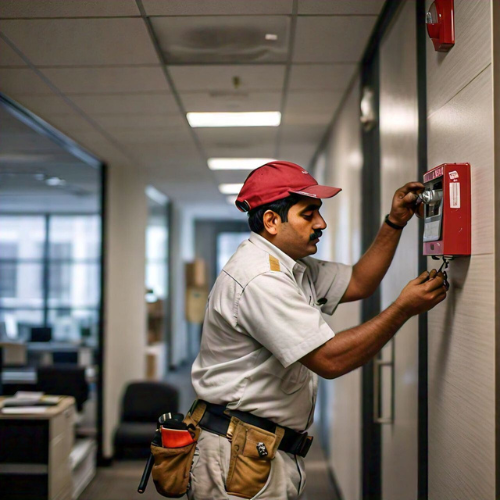
1. Fire Alarm System Installation and Testing
A properly functioning fire alarm system is the first line of defense during emergencies.
Ensure that:
- Fire alarm panels are operational
- Smoke detectors are functioning correctly
- Manual call points are accessible
- Alarm sounders are clearly audible
- Routine inspections are conducted
Regular testing ensures early detection and faster emergency response.
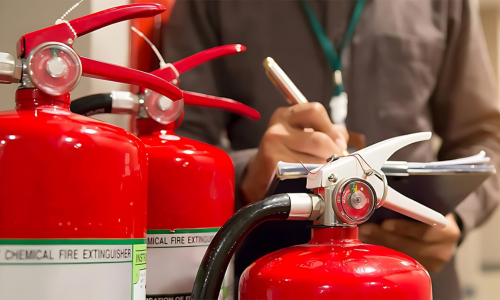
2. Fire Extinguisher Availability
Commercial buildings should have sufficient extinguishers placed strategically throughout the premises.
Check that:
- Extinguishers are clearly visible
- Correct extinguisher types are installed
- Pressure levels are adequate
- Inspection tags are updated
- Staff understand basic usage procedures
Annual maintenance is essential for compliance.
3. Automatic Fire Suppression Systems
Buildings with higher fire risks should install suppression systems such as:
- Automatic sprinklers
- Clean agent suppression systems
- Water mist systems
- Foam suppression systems
These systems help contain fires before they spread.
Emergency Evacuation Preparedness
4. Clearly Marked Exit Routes
Emergency exits should remain unobstructed and clearly identified.
Verify that:
- Exit signs are illuminated
- Escape routes remain accessible
- Emergency lighting functions properly
- Exit doors operate correctly
Fast evacuation can significantly reduce injuries during emergencies.
5. Emergency Response Plans
Every commercial building should maintain an updated emergency response plan.
The plan should include:
- Evacuation procedures
- Emergency contact details
- Assembly points
- Staff responsibilities
- Fire response protocols
Employees should be familiar with these procedures.
Electrical Fire Safety Compliance
6. Electrical System Inspections
Electrical faults remain one of the leading causes of commercial fires.
Conduct regular inspections of:
- Wiring systems
- Distribution panels
- Circuit breakers
- UPS systems
- Electrical equipment
Promptly address any identified hazards.
7. Avoid Overloaded Circuits
Ensure that electrical loads remain within recommended limits to prevent overheating and fire risks.
Maintenance of Fire Protection Systems
8. Scheduled Fire Safety Audits
Routine audits help identify compliance gaps and maintenance requirements.
Fire safety audits should evaluate:
- Alarm systems
- Sprinkler systems
- Extinguishers
- Emergency exits
- Electrical safety
Regular assessments improve overall safety readiness.
9. Record Keeping and Documentation
Maintain detailed records of:
- Fire safety inspections
- Equipment maintenance
- Employee training
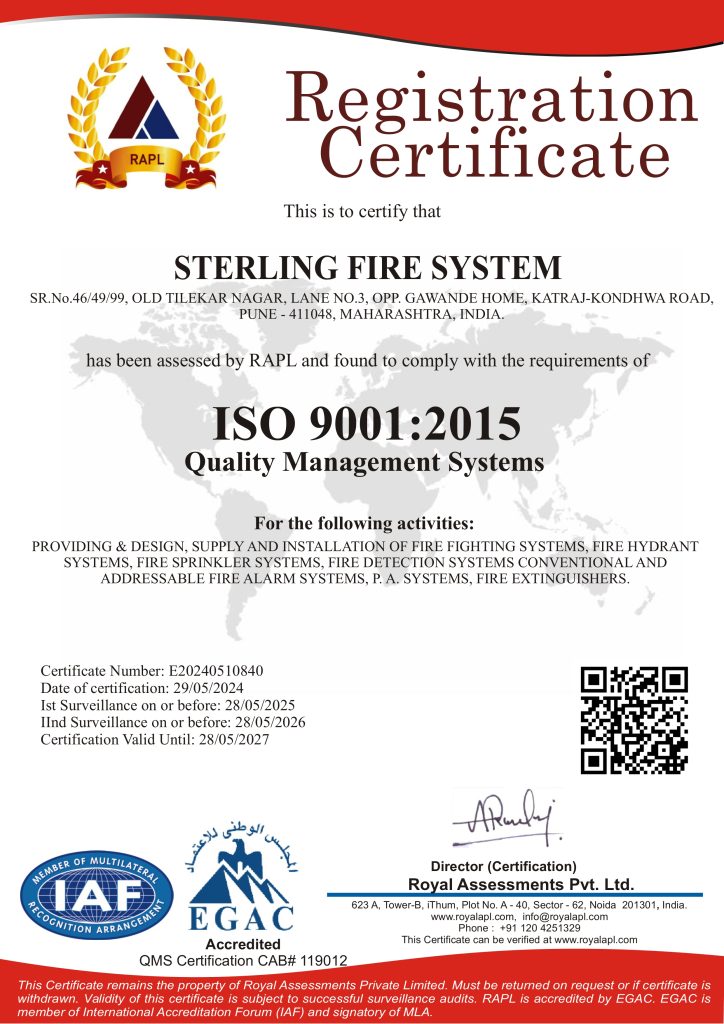
- Compliance certificates
- Safety audits
Proper documentation supports regulatory compliance and insurance claims.
Employee Fire Safety Training
10. Conduct Fire Drills Regularly
Employees should know how to respond during emergencies.
Regular fire drills help:
- Improve preparedness
- Reduce panic
- Identify evacuation challenges
- Strengthen response times
11. Fire Safety Awareness Programs
Training should cover:
- Fire prevention practices
- Extinguisher usage
- Evacuation procedures
- Emergency communication protocols
Well-trained staff play a critical role in fire safety.
Common Compliance Mistakes to Avoid
Businesses often face compliance issues due to:
- Expired fire extinguishers
- Blocked emergency exits
- Poor maintenance practices
- Inadequate staff training
- Faulty alarm systems
- Missing inspection records
Addressing these issues proactively helps maintain compliance and improve safety.
Why Work with Fire Safety Experts?
Fire protection systems require professional design, installation, inspection, and maintenance.
Experienced providers can help with:
Fire Risk Assessments
Identifying hazards and recommending corrective measures.
Fire Protection System Design
Developing customized solutions for commercial facilities.
Compliance Audits
Ensuring adherence to applicable fire safety regulations.
Ongoing Maintenance
Keeping systems fully operational and inspection-ready.
Businesses investing in professional fire safety systems in Pune gain greater confidence in their compliance and emergency preparedness.
Conclusion
Fire safety compliance is a vital part of managing commercial buildings in 2026. Regular inspections, employee training, emergency planning, and properly maintained fire protection equipment all contribute to a safer workplace.
By implementing reliable fire safety systems in Pune, businesses can protect lives, reduce risks, meet regulatory requirements, and ensure uninterrupted operations. A proactive approach to fire safety is one of the most valuable investments a commercial property can make. https://sterlingfiresystem.com/
FAQs
1. Why are fire safety systems in Pune important for commercial buildings?
Fire safety systems in Pune help protect occupants, reduce property damage, support compliance requirements, and improve emergency response capabilities.
2. How often should fire extinguishers be inspected?
Fire extinguishers should be visually inspected regularly and professionally serviced according to applicable maintenance schedules.
3. Are fire drills mandatory for commercial buildings?
Regular fire drills are strongly recommended and may be required depending on building type and local regulations.
4. What should be included in a fire safety audit?
A fire safety audit should assess alarms, extinguishers, suppression systems, emergency exits, electrical safety, and staff preparedness.
5. How can businesses improve fire safety compliance?
Businesses should maintain equipment, conduct training, perform regular inspections, document activities, and work with certified fire safety professionals.
6. Why should commercial properties invest in fire safety systems in Pune?
Professional fire safety systems provide early detection, rapid response capabilities, regulatory compliance, and enhanced protection for people and assets Call 086985 40111.