Industrial facilities face unique fire risks due to heavy machinery, electrical systems, combustible materials, chemical storage, and high-temperature processes. Fire Safety Solutions in Pune: Industrial Fire Safety Audit Guide Industrial fire safety Pune
Fire safety audit Pune
Fire protection systems Pune
Fire alarm systems Pune
Fire suppression systems Pune
Fire hydrant systems Pune
Fire Safety Solutions in Pune: Industrial Fire Safety Audit Guide Industrial fire safety Pune
Fire safety audit Pune
Fire protection systems Pune
Fire alarm systems Pune
Fire suppression systems Pune
Fire hydrant systems Pune
Fire Safety Solutions in Pune: Industrial Fire Safety Audit Guide


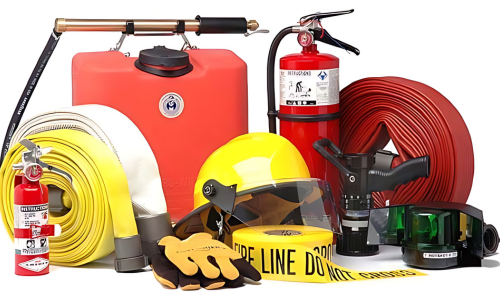
Industrial facilities face unique fire risks due to heavy machinery, electrical systems, combustible materials, chemical storage, and high-temperature processes. A single fire incident can lead to production losses, equipment damage, compliance issues, and safety hazards. This is why regular fire safety audits are a critical part of every industrial fire protection strategy. Investing in professional Fire Safety Solutions in Pune helps organizations identify risks, improve compliance, and strengthen workplace safety.
In 2026, fire safety audits are becoming increasingly important as industries focus on operational continuity, regulatory compliance, and employee protection.
What Is a Fire Safety Audit?
A fire safety audit is a systematic assessment of a facility’s fire protection measures, emergency preparedness, and compliance status.
The purpose of the audit is to:
- Identify fire hazards
- Evaluate fire protection systems
- Assess emergency response readiness
- Verify regulatory compliance
- Recommend corrective actions
A comprehensive audit helps organizations reduce risks before incidents occur.
Why Fire Safety Audits Are Important for Industrial Facilities
Industrial environments often contain multiple fire hazards that require continuous monitoring and evaluation.
Benefits of regular audits include:
- Improved workplace safety
- Reduced fire risks
- Better regulatory compliance
- Enhanced business continuity
- Lower property damage potential
- Increased employee awareness
Audits help businesses take a proactive approach to fire prevention.
Common Fire Risks in Industrial Facilities
Electrical Hazards
Faulty wiring, overloaded circuits, and poorly maintained equipment can trigger fires.
Combustible Materials
Many facilities store:
- Chemicals
- Fuels
- Packaging materials
- Industrial solvents
- Raw materials
Improper storage can significantly increase fire risks.
Machinery and Equipment
Industrial machinery often generates heat and may create ignition sources if not properly maintained.
Human Error
Unsafe work practices and inadequate training remain major contributors to workplace fires.
Key Areas Covered During a Fire Safety Audit
Fire Detection Systems
Auditors inspect:
- Smoke detectors
- Heat detectors
- Fire alarm panels
- Notification devices
The goal is to ensure early fire detection and system reliability.
Fire Suppression Systems
Inspection includes:
- Sprinkler systems
- Fire hydrant systems
- Fire extinguishers
- Foam suppression systems
- Clean agent systems
All equipment must be operational and properly maintained.
Emergency Exits and Evacuation Routes
Auditors verify that:
- Exit routes are clearly marked
- Emergency lighting functions properly
- Exit doors remain accessible
- Evacuation plans are displayed
Safe evacuation is essential during emergencies.
Evaluating Fire Protection Infrastructure
Fire Hydrant Systems
Hydrant systems should be inspected for:
- Water pressure
- Valve functionality
- Hose condition
- Pump performance
Fire Sprinkler Systems
Auditors assess:
- Sprinkler head condition
- Pipe network integrity
- Water supply availability
- Control valve operation
Fire Alarm Systems
Alarm systems must provide reliable notification and rapid emergency communication.
Electrical Fire Safety Assessment
Inspection of Electrical Systems
Electrical safety reviews typically include:
- Wiring inspections
- Distribution panels
- Circuit breakers
- Backup power systems
Potential hazards should be addressed immediately.
Equipment Maintenance Practices
Poorly maintained machinery can increase fire risks and operational disruptions.
Employee Training and Emergency Preparedness
Fire Safety Training
Employees should understand:
- Fire prevention practices
- Emergency reporting procedures
- Fire extinguisher usage
- Evacuation protocols
Well-trained staff improve emergency response effectiveness.
Fire Drills
Regular drills help evaluate:
- Evacuation efficiency
- Employee preparedness
- Emergency communication processes
Practical exercises reveal potential weaknesses before real emergencies occur.
Compliance and Documentation Review
Fire NOC and Regulatory Compliance
Auditors review documentation related to:
- Fire NOC approvals
- Maintenance records
- Inspection reports
- Compliance certificates
Accurate documentation supports regulatory readiness.
Maintenance Records
Routine servicing records help demonstrate ongoing commitment to fire safety.
Common Issues Found During Fire Audits
Industrial facilities often encounter:
- Expired fire extinguishers
- Blocked emergency exits
- Faulty alarm systems
- Inadequate employee training
- Poor housekeeping practices
- Incomplete documentation
Addressing these issues improves overall safety performance.
How Often Should Fire Safety Audits Be Conducted?
The frequency depends on:
- Facility size
- Industry type
- Risk profile
- Regulatory requirements
However, regular audits and periodic inspections are strongly recommended to maintain safety standards.
Why Choose Professional Fire Safety Experts?
Professional providers of Fire Safety Solutions in Pune bring technical expertise and industry experience to the audit process.
Comprehensive Risk Assessments
Identifying hazards specific to industrial operations.
Compliance Support
Helping facilities meet fire safety requirements.
Corrective Action Planning
Providing practical recommendations to improve protection measures.
Ongoing Maintenance Support
Ensuring fire protection systems remain operational and compliant.
Expert guidance helps businesses maintain a strong fire safety culture.
Benefits of Professional Fire Safety Audits
Organizations that conduct regular audits benefit from:
- Improved compliance
- Reduced fire risks
- Better emergency preparedness
- Increased equipment reliability
- Enhanced employee safety
- Stronger business continuity
These advantages make fire safety audits a valuable investment.
Conclusion
A fire safety audit is one of the most effective ways to identify risks, improve compliance, and strengthen emergency preparedness in industrial facilities. From fire detection systems and suppression equipment to employee training and evacuation planning, every aspect of fire safety should be evaluated regularly.
By partnering with experts providing Fire Safety Solutions in Pune, industries can create safer workplaces, protect valuable assets, and reduce the likelihood of costly fire incidents. Proactive fire safety management remains essential for long-term operational success. https://sterlingfiresystem.com/
FAQs
1. What are Fire Safety Solutions in Pune?
Fire Safety Solutions in Pune include fire safety audits, fire alarm systems, suppression systems, hydrants, sprinklers, maintenance services, and compliance support.
2. Why is a fire safety audit important for industrial facilities?
A fire safety audit identifies hazards, evaluates protection systems, improves compliance, and enhances emergency preparedness.
3. What is included in an industrial fire safety audit?
Audits typically assess fire alarms, extinguishers, hydrants, sprinklers, electrical systems, evacuation plans, training programs, and compliance records.
4. How often should industrial fire safety audits be conducted?
Audit frequency depends on facility requirements, risk levels, and regulatory obligations, but regular reviews are strongly recommended.
5. Can a fire safety audit improve compliance?
Yes. Audits help identify compliance gaps and support corrective actions that align with fire safety regulations.
6. Why should industries invest in Fire Safety Solutions in Pune?
Industries benefit from improved safety, reduced risks, stronger compliance, better emergency readiness, and enhanced business continuity Call 86985 40111.
Trusted Fire Systems in Pune
Sterling Fire System excels in the fire safety industry with services spanning equipment installation, commissioning, and comprehensive maintenance. Serving industrial, commercial, and residential sectors—including hospitals and schools—we ensure high standards at every stage. Our commitment to exceptional service and client satisfaction sets us apart. Thank you for considering us as your trusted partner in safety.


