

Fire protection is a critical requirement for commercial, industrial, residential, and institutional buildings. When planning a fire safety system, one of the most common questions is whether to install a fire hydrant system or a fire sprinkler system. Both play an important role in fire protection, but they serve different purposes. Choosing the right fire safety equipment’s in Pune depends on your building type, occupancy, fire risk level, and compliance requirements.
In this guide, we compare fire hydrant and fire sprinkler systems to help building owners make informed fire safety decisions in 2026.
Understanding Fire Hydrant Systems
A fire hydrant system is a network of pipes, valves, pumps, hoses, and hydrant outlets designed to provide a reliable water supply for firefighting operations.
How Fire Hydrant Systems Work
During a fire emergency:
- Firefighters connect hoses to hydrant outlets.
- Water is supplied through a dedicated piping network.
- High-pressure water is used to control and extinguish fires.
Hydrant systems require trained personnel or fire departments to operate effectively.
Common Components
- Fire water storage tanks
- Fire pumps
- Hydrant valves
- Hose reels
- Piping network
- Landing valves
Hydrant systems are commonly installed in large commercial and industrial facilities.
Understanding Fire Sprinkler Systems
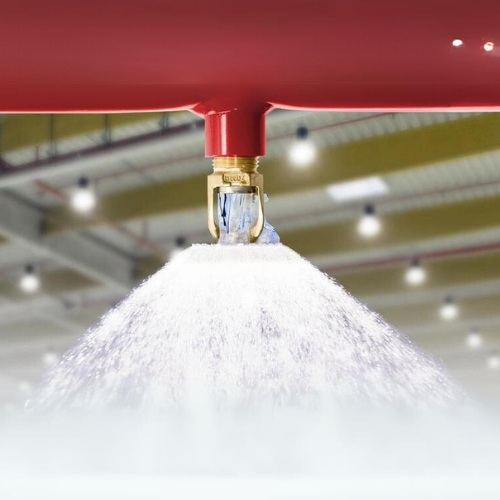
A fire sprinkler system is an automatic fire suppression solution that activates when heat from a fire reaches a predetermined temperature.
How Fire Sprinklers Work
When a sprinkler head detects excessive heat:
- The sprinkler activates automatically.
- Water is discharged directly onto the fire source.
- Fire growth is controlled before spreading.
Only sprinkler heads near the affected area typically activate.
Key Components
- Sprinkler heads
- Piping network
- Control valves
- Water supply system
- Alarm systems
Sprinklers provide immediate fire suppression without human intervention.
Fire Hydrant System vs Fire Sprinkler System
Response Time
Fire Hydrant System
Requires manual operation by trained personnel or firefighters.
Fire Sprinkler System
Activates automatically within seconds of detecting excessive heat.
Winner: Fire Sprinkler System
Fire Control Capability
Fire Hydrant System
Effective for controlling large fires using high-volume water discharge.
Fire Sprinkler System
Designed to suppress fires during their early stages.
Winner: Both systems serve different but complementary roles.
Human Involvement
Fire Hydrant System
Requires operators to connect hoses and direct water flow.
Fire Sprinkler System
Operates automatically without human assistance.
Winner: Fire Sprinkler System
Coverage Area
Fire Hydrant System
Suitable for large buildings, industrial facilities, warehouses, and campuses.
Fire Sprinkler System
Provides localized automatic suppression throughout the building.
Winner: Depends on building requirements.
Which Buildings Need Fire Hydrant Systems?
Fire hydrant systems are commonly recommended for:
Industrial Facilities
Factories and manufacturing plants often require hydrant networks due to higher fire risks.
Warehouses
Large storage facilities benefit from hydrant systems capable of handling extensive fire emergencies.
Commercial Complexes
Shopping malls, office buildings, and business parks often require hydrant systems for regulatory compliance.
High-Rise Buildings
Many high-rise properties include hydrant systems as part of their fire protection strategy.
Which Buildings Need Fire Sprinkler Systems?
Fire sprinkler systems are ideal for:
Office Buildings
Automatic suppression helps protect employees and assets.
Hospitals
Rapid fire control supports patient safety and emergency preparedness.
Hotels
Sprinklers help protect guests and minimize evacuation risks.
Residential Complexes
Automatic fire suppression enhances resident safety.
Educational Institutions
Schools and colleges benefit from faster fire response capabilities.
Why Many Buildings Use Both Systems
Modern fire protection strategies often combine both technologies.
Advantages of Combined Protection
- Early fire suppression through sprinklers
- Additional firefighting capability through hydrants
- Improved regulatory compliance
- Enhanced occupant safety
- Reduced property damage
Using both systems provides multiple layers of fire protection.
Factors to Consider Before Choosing
Building Size
Large facilities often require hydrant systems in addition to sprinklers.
Occupancy Type
Buildings with high occupant density may benefit from automatic suppression systems.
Fire Risk Assessment
The level of fire hazard influences system design and selection.
Compliance Requirements
Local fire regulations and building codes may require specific fire protection measures.
Budget and Infrastructure
System selection should align with long-term safety objectives and operational requirements.
Why Professional Fire Safety Consultation Matters
Choosing the right fire protection system requires expert evaluation.
Professional fire safety specialists can help with:
Fire Risk Assessments
Identifying hazards and recommending suitable solutions.
System Design
Developing customized fire protection strategies.
Regulatory Compliance
Ensuring adherence to applicable fire safety standards.
Installation and Maintenance
Providing reliable long-term system performance.
Businesses investing in fire safety equipment’s in Pune benefit from expert guidance and comprehensive fire protection planning.
Conclusion
Both fire hydrant systems and fire sprinkler systems play essential roles in modern fire protection. Hydrant systems provide powerful firefighting capabilities, while sprinkler systems deliver automatic early-stage fire suppression.
The best solution depends on your building’s size, occupancy, risk profile, and compliance requirements. In many cases, combining both systems offers the highest level of protection. By choosing reliable fire safety equipment’s in Pune, building owners can improve safety, reduce fire risks, and ensure greater protection for people and property. https://sterlingfiresystem.com/
FAQs
1. What are fire safety equipment’s in Pune commonly used in commercial buildings?
Common fire safety equipment includes fire hydrant systems, fire sprinkler systems, fire alarms, extinguishers, smoke detectors, and emergency evacuation systems.
2. What is the main difference between a fire hydrant system and a sprinkler system?
A hydrant system requires manual operation, while a sprinkler system activates automatically when a fire is detected.
3. Which system is better for offices?
Fire sprinkler systems are often preferred for offices because they provide automatic fire suppression and faster response.
4. Can a building have both hydrant and sprinkler systems?
Yes. Many commercial and industrial buildings use both systems for enhanced fire protection and regulatory compliance.
5. Are fire sprinkler systems mandatory?
Requirements vary depending on building type, occupancy, and local fire safety regulations.
6. Why should businesses invest in fire safety equipment’s in Pune?
Proper fire protection equipment helps save lives, reduce property damage, improve compliance, and support business continuity Call 086985 40111 .


