
Fire Fighting Services in Pune: Top Fire Safety Mistakes Businesses Must Avoid
Fire safety is a critical responsibility for every business. Whether you operate a corporate office, warehouse, manufacturing facility, hospital, retail store, or educational institution, even a small fire incident can lead to significant financial losses, operational disruptions, and safety risks. Investing in professional fire fighting services in Pune is essential, but avoiding common fire safety mistakes is equally important.
Many businesses unknowingly overlook key fire protection measures that increase the likelihood of fire incidents. Understanding these risks can help organizations create a safer, more compliant workplace.
Why Fire Safety Matters for Businesses
A fire emergency can result in:
- Property damage
- Business interruptions
- Equipment loss
- Legal liabilities
- Employee injuries
- Compliance penalties
A proactive fire safety strategy helps reduce these risks while protecting people and assets.
Top 10 Fire Safety Mistakes That Put Businesses at Risk
1. Ignoring Regular Fire Safety Inspections
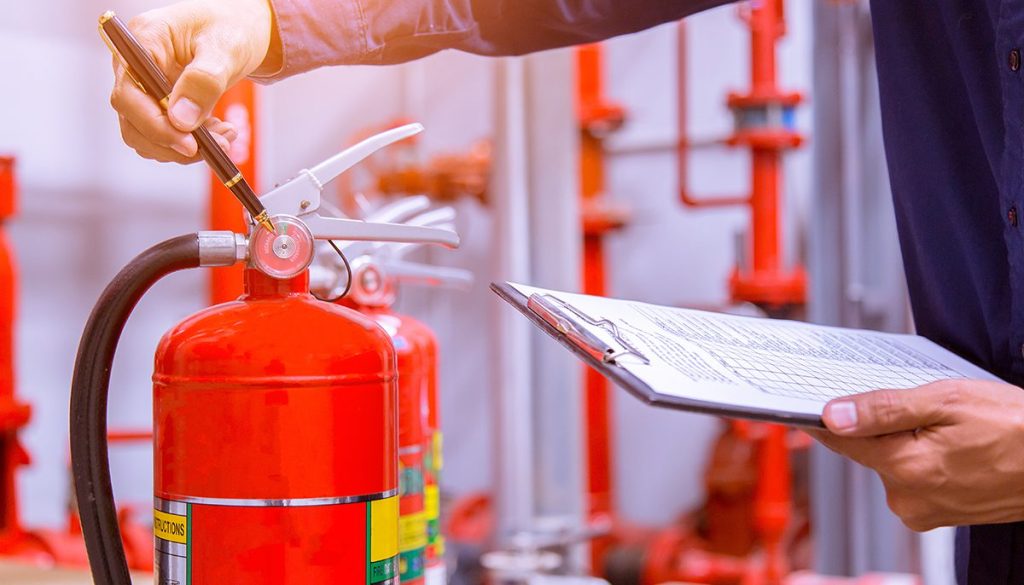
One of the most common mistakes businesses make is failing to conduct routine fire safety inspections.
Regular inspections help identify:
- Faulty fire alarms
- Damaged extinguishers
- Blocked exits
- Electrical hazards
- Non-functional suppression systems
Why It Matters
Regular audits ensure that fire protection systems remain operational and compliant.
2. Neglecting Fire Extinguisher Maintenance
Fire extinguishers are often installed but not maintained properly.
Common issues include:
- Expired service dates
- Low pressure levels
- Physical damage
- Incorrect placement
An extinguisher that fails during an emergency can significantly increase fire damage.
Best Practice
Schedule regular inspections and servicing according to maintenance requirements.
3. Blocking Emergency Exits
Emergency exits must remain clear and accessible at all times.
Businesses sometimes use exit routes for:
- Temporary storage
- Equipment placement
- Inventory stacking
Blocked exits can delay evacuation and increase safety risks during emergencies.
Best Practice
Conduct routine checks to ensure all evacuation routes remain unobstructed.
4. Inadequate Employee Fire Safety Training
Even the most advanced fire protection systems are less effective if employees do not know how to respond during an emergency.
Many businesses fail to provide adequate training on:
- Evacuation procedures
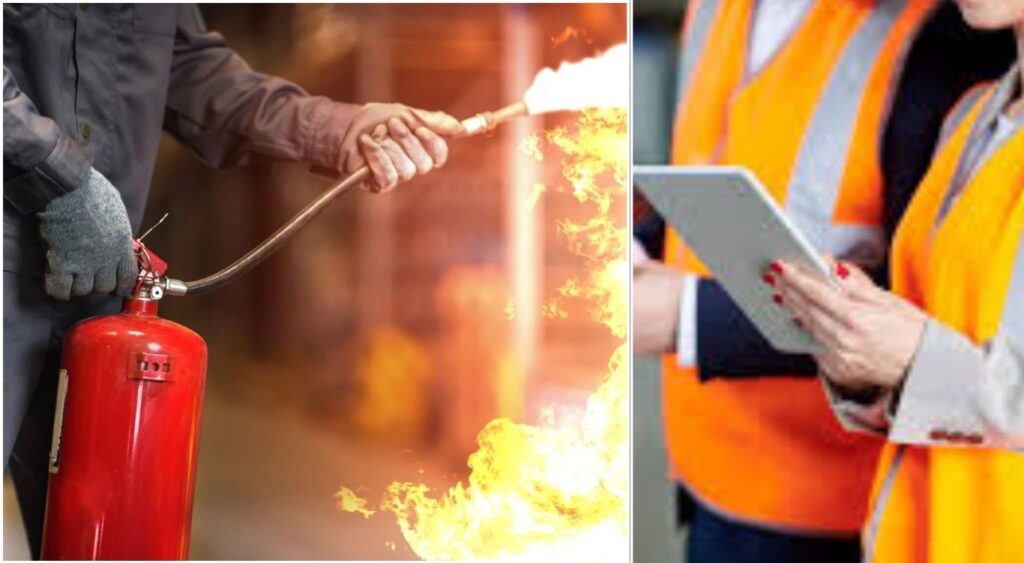
- Fire extinguisher usage
- Emergency reporting
- Assembly point protocols
Why Training Is Essential
Well-trained employees can respond faster and reduce panic during emergencies.
5. Overlooking Electrical Fire Hazards
Electrical issues remain one of the leading causes of workplace fires.
Common risks include:
- Overloaded circuits
- Damaged wiring
- Faulty equipment
- Poor maintenance practices
Prevention Tips
- Conduct electrical inspections regularly
- Replace damaged equipment promptly
- Avoid overloading power outlets
6. Failing to Maintain Fire Alarm Systems
Fire alarms play a crucial role in early fire detection.
Businesses sometimes neglect:
- Detector testing
- Alarm panel inspections
- Battery replacements
- System calibration
A malfunctioning alarm system can delay emergency response.
Best Practice
Implement scheduled testing and maintenance programs.
7. Lack of Fire Risk Assessments
Every business faces unique fire risks depending on its operations and environment.
Without professional risk assessments, organizations may overlook critical hazards.
Risk Assessment Benefits
- Identifies vulnerabilities
- Improves compliance
- Enhances emergency planning
- Supports system upgrades
8. Poor Storage of Flammable Materials
Improper storage of combustible and flammable materials significantly increases fire risks.
Examples include:
- Chemicals
- Cleaning products
- Packaging materials
- Fuel containers
Best Practice
Store flammable materials in designated areas following recommended safety guidelines.
9. Delaying Fire Protection System Upgrades
Older fire protection systems may not meet current safety standards.
Warning Signs
- Frequent false alarms
- Obsolete equipment
- Limited system coverage
- Increased maintenance issues
Upgrading systems improves reliability and compliance.
10. Assuming Fire Safety Is a One-Time Task
Fire safety requires ongoing attention.
Businesses often make the mistake of treating compliance as a one-time project rather than a continuous process.
Ongoing Fire Safety Measures
- Regular audits
- Staff training
- Equipment maintenance
- Compliance reviews
- Emergency drills
Consistent effort helps maintain a strong safety culture.
How Professional Fire Fighting Services Help
Working with experienced providers of fire fighting services in Pune helps businesses strengthen their fire protection strategies.
Fire Safety Audits
Comprehensive inspections identify compliance gaps and improvement opportunities.
Fire Protection System Installation
Experts design and install systems tailored to specific building requirements.
Maintenance and AMC Services
Regular servicing ensures systems remain fully operational.
Employee Training
Organizations receive guidance on emergency preparedness and fire response procedures.
Benefits of Strong Fire Safety Practices
Businesses that prioritize fire safety benefit from:
- Reduced fire risks
- Improved compliance
- Better emergency preparedness
- Enhanced employee safety
- Lower insurance risks
- Greater business continuity
A proactive approach helps protect both people and assets.
Conclusion
Many fire incidents occur because of preventable mistakes such as poor maintenance, blocked exits, inadequate training, and neglected inspections. Identifying and correcting these issues can significantly improve workplace safety and reduce operational risks.
By partnering with experienced fire safety professionals and investing in reliable fire fighting services in Pune, businesses can strengthen their fire protection systems, maintain compliance, and create safer working environments. Fire safety is not just a regulatory requirement—it is an essential part of responsible business management.
For expert fire protection solutions, visit Sterling Fire System
Frequently Asked Questions (FAQs)
1. Why are fire fighting services in Pune important for businesses?
Fire fighting services help businesses install, maintain, inspect, and optimize fire protection systems while improving safety and regulatory compliance.
2. What is the most common fire safety mistake in commercial buildings?
Neglecting routine inspections and maintenance of fire protection equipment is one of the most common fire safety mistakes.
3. How often should fire extinguishers be serviced?
Fire extinguishers should be inspected regularly and maintained according to recommended service schedules and local regulations.
4. Why is employee fire safety training important?
Training helps employees respond effectively during emergencies, reducing risks and improving evacuation efficiency.
5. What is included in a fire risk assessment?
A fire risk assessment evaluates hazards, identifies vulnerabilities, reviews existing protection systems, and recommends corrective actions.
6. How can businesses improve fire safety compliance?
Businesses should conduct inspections, maintain equipment, perform fire drills, provide employee training, and work with experienced fire safety professionals Call 86985 40111.


