
Fire safety technology has evolved significantly over the past decade. Traditional fire alarms have protected buildings for years, but modern facilities now demand faster detection, fewer false alarms, and smarter emergency response capabilities. This is where AI-powered Fire Alarm Systems are transforming fire protection.Fire Alarm Systems , AI fire detection systems Smart fire alarm systems Advanced fire alarm systems Intelligent fire detection solutions Fire protection systems
Fire Alarm Systems AI fire detection systems
Smart fire alarm systems
Advanced fire alarm systems
Intelligent fire detection solutions
Fire protection systems
Fire Alarm Systems: How AI-Based Technology Detects Fires Faster
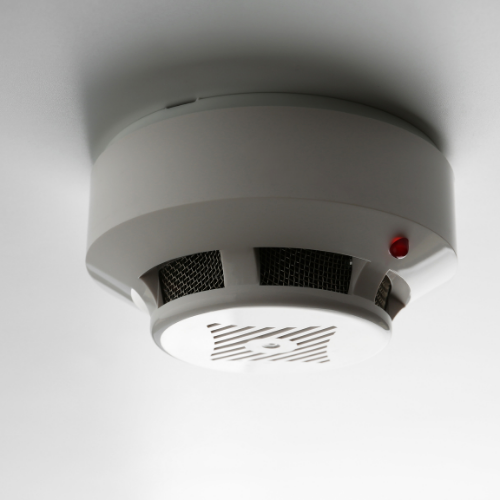


Fire safety technology has evolved significantly over the past decade. While traditional fire alarm systems have protected buildings for years, modern facilities now require faster detection, fewer false alarms, and intelligent emergency response capabilities. This is where AI-powered Fire Alarm Systems are transforming fire protection.
Artificial Intelligence (AI) enables fire detection systems to analyze environmental conditions in real time, identify fire risks more accurately, and trigger alerts much faster than conventional systems. In 2026, AI-based fire safety solutions are becoming an essential part of smart buildings across commercial, industrial, healthcare, educational, and residential sectors.
What Are AI-Based Fire Alarm Systems?
AI-based Fire Alarm Systems use intelligent algorithms, advanced sensors, and real-time data analysis to detect fire hazards more efficiently than traditional alarm systems.
These systems continuously monitor multiple environmental factors, including:
- Smoke patterns
- Temperature changes
- Air quality variations
- Heat signatures
- Environmental conditions
By analyzing this data continuously, AI can identify potential fire threats at an earlier stage while significantly reducing unnecessary alarms.
How Traditional Fire Alarm Systems Work
Traditional fire alarm systems rely on predefined detection thresholds.
Smoke Detection
Smoke detectors activate when smoke particles reach a preset level.
Heat Detection
Heat detectors trigger alarms when temperatures exceed a specified limit.
Manual Activation
Occupants can manually activate the fire alarm using manual call points installed throughout the building.
Although highly reliable, traditional systems generally respond only after visible smoke or significant heat has already developed.
How AI Detects Fires Faster
AI introduces an entirely new approach to fire detection by identifying patterns rather than relying solely on fixed thresholds.
Real-Time Data Analysis
AI continuously evaluates information from multiple sensors simultaneously.
Instead of waiting for one sensor to reach its activation point, AI analyzes trends and changing environmental conditions that may indicate the early stages of a fire.
This enables much earlier detection.
Multi-Sensor Intelligence
Modern AI-powered Fire Alarm Systems combine data from various devices, including:
- Smoke detectors
- Heat detectors
- Gas sensors
- Air quality monitors
- Video analytics
By correlating data from multiple sources, AI significantly improves detection accuracy.
Predictive Fire Detection
One of AI’s greatest advantages is predictive monitoring.
The system can identify abnormal conditions before a fire fully develops, such as:
- Unusual heat buildup
- Smoke behavior changes
- Equipment overheating
- Environmental anomalies
This predictive capability allows emergency teams to respond before major damage occurs.
Reducing False Alarms with AI
False alarms remain one of the biggest challenges in traditional fire protection systems.
Common Causes of False Alarms
Traditional systems may trigger alarms due to:
- Dust particles
- Steam
- Cooking smoke
- Temporary environmental changes
False alarms disrupt operations, create unnecessary panic, and increase maintenance costs.
How AI Improves Accuracy
AI algorithms learn to distinguish between genuine fire threats and harmless environmental conditions.
Benefits include:
- Fewer false alarms
- Reduced operational interruptions
- Greater confidence in fire safety systems
- Faster response to actual emergencies
AI Integration with Smart Buildings
AI-powered Fire Alarm Systems are becoming an important component of intelligent building infrastructure.
Connected Fire Protection
Modern systems can integrate with:
- CCTV surveillance
- Building Management Systems (BMS)
- Access control systems
- Emergency communication systems
- Fire suppression systems
This creates a coordinated emergency response across the building.
Automated Emergency Actions
When a fire risk is detected, AI-enabled systems can automatically:
- Trigger fire alarms
- Notify emergency response teams
- Unlock emergency exits
- Control ventilation systems
- Activate fire suppression equipment
These automated actions help improve occupant safety while minimizing response times.
Benefits of AI-Based Fire Alarm Systems
Faster Fire Detection
Earlier identification of fire hazards reduces property damage and improves life safety.
Enhanced Occupant Protection
Quicker emergency response helps protect employees, patients, residents, students, and visitors.
Better Business Continuity
Early intervention minimizes downtime, operational disruption, and financial losses.
Continuous Monitoring
AI systems monitor buildings 24 hours a day without interruption.
Improved Regulatory Compliance
Advanced fire detection technologies help organizations meet modern fire safety regulations and compliance standards.
Industries Benefiting from AI Fire Detection
Commercial Offices
Protect employees, critical infrastructure, and business operations.
Manufacturing Facilities
Monitor machinery and industrial equipment for overheating and fire risks.
Hospitals and Healthcare Facilities
Provide enhanced protection for patients, medical equipment, and healthcare professionals.
Educational Institutions
Improve campus safety and emergency preparedness.
Residential Communities
Deliver faster fire detection and greater peace of mind for residents.
Key Features to Look for in AI Fire Alarm Systems
Intelligent Analytics
The system should continuously analyze environmental data to detect potential fire hazards.
Multi-Sensor Detection
Combining multiple sensor technologies improves accuracy and reliability.
Remote Monitoring
Authorized personnel should receive real-time alerts from any location.
Scalability
The solution should easily support future building expansion and additional devices.
System Integration
Compatibility with existing fire safety infrastructure and smart building systems is essential.
Why Professional Installation Matters
AI-powered fire protection systems require proper planning, installation, testing, and maintenance to perform effectively.
Professional fire safety experts provide:
Fire Risk Assessment
Evaluating building-specific hazards and identifying protection requirements.
Customized System Design
Designing solutions that match the property’s layout and operational needs.
Compliance Support
Helping businesses comply with applicable fire safety regulations and standards.
Ongoing Maintenance
Regular inspections and servicing ensure reliable long-term performance.
Professional implementation maximizes the effectiveness of advanced Fire Alarm Systems.
Conclusion
Artificial Intelligence is transforming fire safety by enabling faster, smarter, and more accurate fire detection. Through real-time analytics, predictive monitoring, multi-sensor intelligence, and smart building integration, AI-powered Fire Alarm Systems offer significantly greater protection than traditional fire alarms.
As businesses and property owners continue to prioritize safety, AI-based fire detection is becoming a critical investment. Upgrading to intelligent fire protection solutions helps reduce risks, improve emergency response, minimize false alarms, and better protect both people and valuable assets.
For expert AI-enabled Fire Alarm System installation, maintenance, and consultation, visit https://sterlingfiresystem.com/.
Frequently Asked Questions (FAQs)
1. What are AI-based Fire Alarm Systems?
AI-based Fire Alarm Systems use artificial intelligence, advanced sensors, and real-time data analysis to detect fire hazards more accurately and quickly than conventional fire alarm systems.
2. How do AI fire alarm systems detect fires faster?
They analyze multiple environmental conditions simultaneously and identify abnormal patterns before traditional smoke or heat detection thresholds are reached.
3. Can AI fire alarm systems reduce false alarms?
Yes. AI algorithms distinguish between genuine fire threats and harmless conditions such as steam, dust, cooking smoke, or temporary environmental changes.
4. Are AI fire alarm systems suitable for commercial buildings?
Absolutely. Commercial offices, hospitals, hotels, factories, warehouses, educational institutions, and residential complexes all benefit from AI-powered fire detection.
5. Can AI fire alarm systems integrate with Building Management Systems (BMS)?
Yes. Modern AI fire alarm systems integrate with CCTV, Building Management Systems (BMS), access control, emergency communication systems, and fire suppression systems.
6. Why should businesses upgrade to AI-powered Fire Alarm Systems?
Upgrading improves fire detection speed, reduces false alarms, enhances occupant safety, supports regulatory compliance, minimizes operational downtime, and provides smarter overall fire protection Call 86985 40111 .
Trusted Fire Systems in Pune
Sterling Fire System excels in the fire safety industry with services spanning equipment installation, commissioning, and comprehensive maintenance. Serving industrial, commercial, and residential sectors—including hospitals and schools—we ensure high standards at every stage. Our commitment to exceptional service and client satisfaction sets us apart. Thank you for considering us as your trusted partner in safety.


