

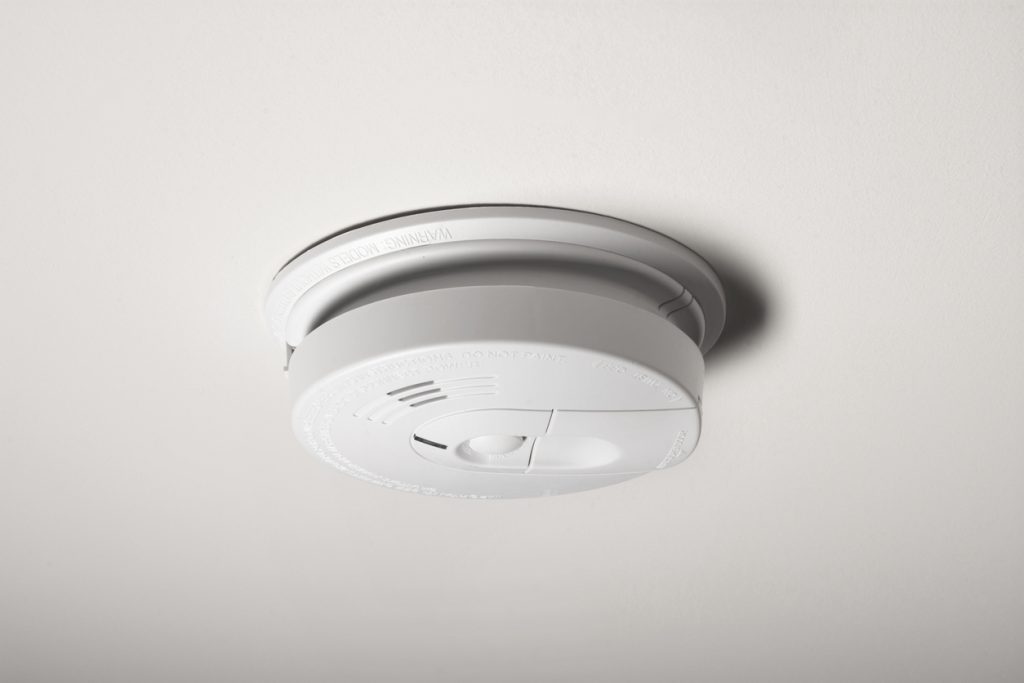
Smart Fire Detection Systems in 2026: How IoT Technology Is Improving Building Safety
Fire safety is one of the most important considerations in modern buildings. Whether it is a residential apartment, commercial office, hospital, educational institution, hotel or industrial facility, an unexpected fire can put lives, property and business operations at serious risk.
Traditional fire alarm systems play an essential role in detecting smoke or heat and alerting occupants. However, as buildings become larger and more technologically advanced, property owners increasingly need better ways to monitor fire safety equipment, identify system faults and respond to potential emergencies.
This is where smart fire detection systems and Internet of Things (IoT) technology are changing the way building safety is managed.
Modern fire detection solutions can combine intelligent sensors, interconnected alarm panels, remote notifications and digital monitoring to help building managers identify potential fire incidents and monitor system conditions more effectively.
In 2026, connected fire safety technology is receiving greater attention as building owners look for more proactive approaches to fire prevention, emergency preparedness and equipment maintenance.
For businesses searching for fire detection systems in Pune, understanding these developments can help them make informed decisions when selecting a fire safety solution.
In this guide, we explore how IoT technology works in smart fire detection systems, the latest technologies, their benefits, applications and the important considerations when choosing a professional fire safety provider.
1. What Are Smart Fire Detection Systems?
A smart fire detection system is an advanced fire safety arrangement that uses electronic detectors, control panels and connected technologies to identify potential fire conditions and communicate alerts.
Unlike a basic standalone detector, a connected fire detection arrangement can integrate multiple devices and monitoring functions.
Depending on the system design, it may include:
- Smart smoke detectors.
- Heat and thermal detectors.
- Carbon monoxide detectors.
- Addressable fire alarm panels.
- Manual call points.
- Audible and visual alarm devices.
- Communication modules.
- Remote monitoring interfaces.
- Building management system integration.
When a detector identifies smoke, heat or another specified condition, it communicates with the fire alarm control panel. The system processes the signal and activates the appropriate alarm or programmed response.
In an IoT-enabled installation, selected system information can also be communicated through a network or gateway to authorised monitoring platforms.
This can help facility managers receive information about alarm events, equipment faults and system status without depending entirely on physical inspection.
How are smart fire detection systems different from traditional systems?
Traditional fire alarm systems are designed to detect fire-related conditions and alert occupants through connected alarms.
Smart and IoT-enabled systems can add communication and monitoring capabilities.
For example:
| Feature | Conventional fire alarm system | Smart or IoT-enabled system |
|---|---|---|
| Smoke detection | Yes, depending on design | Yes |
| Heat detection | Available | Available |
| Local alarm activation | Yes | Yes |
| Remote notifications | Depends on configuration | Can be supported |
| Equipment status monitoring | Depends on panel | Can be integrated |
| Digital event records | Depends on panel | Can be supported |
| Remote system visibility | Limited or optional | Available with suitable integration |
| Building system integration | Depends on design | Can be supported |
It is important to understand that not every modern fire alarm system is automatically an IoT system. The available functions depend on the detectors, control panel, communication equipment, software and installation design.
2. How Does IoT Technology Work in Fire Detection Systems?
The Internet of Things connects physical devices to communication networks so they can exchange information.
In a smart fire safety installation, IoT technology can connect selected fire detection and firefighting equipment to a monitoring platform.
The system generally works through the following stages.
Step 1: Intelligent sensors detect potential fire conditions
Smoke detectors, heat detectors and other specialised sensors monitor their surrounding environment.
Each detector is designed for specific operating conditions and detects particular indicators associated with a potential fire or hazardous atmosphere.
For example:
- Smoke detectors identify smoke particles.
- Heat detectors respond to specified temperature conditions or temperature increases.
- Carbon monoxide detectors identify dangerous concentrations of carbon monoxide.
- Flame detectors identify specific radiation patterns associated with flames in suitable applications.
The appropriate detector depends on the building environment and potential fire hazards.
Step 2: The fire alarm control panel receives information
When a detector activates, it sends a signal to the fire alarm control panel.
The panel processes the information and initiates the programmed response.
Depending on the system design, this may include:
- Activating audible alarms.
- Activating visual warning devices.
- Identifying the affected detection zone or address.
- Communicating with other approved building safety systems.
- Recording the alarm event.
Step 3: Connected devices communicate system information
In an IoT-enabled arrangement, compatible communication devices can transmit selected information from the fire alarm panel and other equipment to a monitoring platform.
This may involve a dedicated gateway, wired network, wireless communication or another approved communication arrangement.
Step 4: The monitoring platform displays alerts and system status
Authorised building managers or facility teams may receive alerts through a dashboard, mobile application, SMS or email, depending on the system configuration.
The information can help them identify:
- Fire alarm events.
- Detector faults.
- Communication failures.
- Selected equipment status changes.
- Power supply problems.
- Maintenance-related notifications.
Step 5: Building teams take appropriate action
Receiving an alert is only one part of fire safety.
Building teams must have clearly defined procedures for verifying system information, responding to emergencies, contacting emergency services and arranging maintenance.
A connected monitoring system supports decision-making, but it does not replace evacuation procedures, trained personnel or physical fire protection equipment.
3. Latest Smart Fire Detection Technologies in 2026
Fire detection technology continues to evolve. Different technologies are designed for different building environments, fire risks and operational requirements.
Here are some important technologies businesses should understand.
A. Smart smoke detectors
Smart smoke detectors are designed to identify smoke and communicate detection signals to an alarm system.
Depending on the model, they may support additional features such as device identification, fault reporting and system integration.
Key benefits:
- Early smoke detection.
- Communication with compatible fire alarm panels.
- Better identification of affected areas in addressable systems.
- Integration with selected monitoring platforms.
- Support for organised emergency alerts.
Smart smoke detectors are commonly considered for offices, residential buildings, commercial facilities and other areas where early warning is important.
B. Intelligent heat and thermal detectors
Heat detectors identify temperature conditions that may indicate a fire.
They are particularly useful in environments where smoke detectors may produce unwanted alarms because of dust, steam, cooking activity or other environmental conditions.
Common types include:
- Fixed-temperature heat detectors.
- Rate-of-rise heat detectors.
- Combined heat detection technologies.
The correct detector should be selected according to the building’s environmental conditions and applicable fire safety design requirements.
C. Carbon monoxide detectors
Carbon monoxide is a colourless and odourless gas that can cause serious harm when inhaled.
Carbon monoxide detectors are designed to identify dangerous concentrations of the gas and provide warnings.
They can be particularly relevant in buildings with fuel-burning equipment, generators, boilers or other potential sources of carbon monoxide.
Carbon monoxide detection should be selected according to the actual risk assessment. It is not a substitute for smoke detection or a complete fire alarm system.
D. Addressable fire alarm systems
Addressable fire alarm systems allow individual detectors and devices to be identified by their assigned addresses.
When a device activates, the control panel can display its specific location or device identification.
This can help emergency response teams and facility managers identify the affected area more quickly than a basic zone-only indication.
Addressable systems are particularly useful in large buildings with multiple floors, departments and detection zones.
E. Wireless fire detection systems
Wireless fire detection devices communicate with the fire alarm system through approved wireless communication technology.
They can be considered in buildings where installing extensive cables is difficult or disruptive.
Potential applications include:
- Existing commercial buildings.
- Heritage structures.
- Renovation projects.
- Selected industrial facilities.
- Buildings where wiring routes are restricted.
Wireless systems must be designed with suitable coverage, signal reliability, battery monitoring and supervision.
F. Video-based fire detection
Video-based detection systems analyse visual information to identify smoke or flames in suitable environments.
They can be useful in selected large or open spaces where conventional point detectors may have limitations.
Applications may include:
- Warehouses.
- Large industrial spaces.
- Aircraft hangars.
- High-ceiling environments.
- Selected outdoor or semi-open facilities.
The technology requires careful evaluation of lighting, environmental conditions, camera positioning and false-alarm risks.
G. IoT-based automated continuous monitoring
One of the important developments in connected fire safety is the ability to monitor not just alarm events but also the operating condition of selected firefighting equipment.
An Automated Continuous Monitoring System (ACMS) can use connected sensors and interfaces to collect information about building fire protection infrastructure.
Depending on the applicable requirements and system design, monitored equipment may include:
- Fire pumps.
- Hydrant system pressure.
- Sprinkler system pressure.
- Fire water tank levels.
- Fire alarm panel status.
- Selected ventilation and pressurisation equipment.
- Other connected fire safety installations.
The information can be communicated to a cloud-based platform for monitoring and notifications.
This approach helps shift fire safety management from occasional inspection towards more continuous visibility of equipment condition.
4. Why IoT-Based Fire Safety Monitoring Is Becoming Important in 2026
Building fire safety is increasingly being viewed as an ongoing operational responsibility rather than something that should only be checked during inspections.
Connected monitoring can help identify equipment problems before an emergency occurs.
For example, a fire pump that is not available when required can create a serious safety concern. Similarly, low water levels in a fire water tank or a fault in an alarm panel may affect the building’s ability to respond to an emergency.
IoT monitoring can help authorised teams receive information about such conditions.
Growing focus on continuous fire safety monitoring in India
In 2026, digital fire safety monitoring has received increased attention in India.
Maharashtra has introduced an Automated Continuous Monitoring System framework for specified buildings under its fire prevention and life safety provisions.
Delhi also introduced additional IoT-based monitoring requirements in 2026 for specified categories of buildings under its amended fire service rules.
These developments highlight the growing importance of monitoring the operational condition of fire safety infrastructure.
However, the requirements are not identical across all states or buildings. Applicability depends on the relevant legislation, building occupancy, applicable rules and competent authority directions.
Property owners should consult the relevant fire department and qualified fire safety professionals before determining which monitoring requirements apply to their premises.
5. Major Benefits of Smart Fire Detection Systems for Buildings
Smart fire detection technology offers several potential advantages when it is properly designed, installed and maintained.
1. Earlier identification of fire-related conditions
Smoke, heat and other specialised detectors can identify specified fire indicators and initiate an alarm.
Early warning can provide occupants with more time to respond and begin evacuation procedures.
2. Faster communication of alarm information
Connected systems can transmit selected alarm and fault information to authorised personnel.
This can help facility teams become aware of an event even when they are not physically standing near the fire alarm control panel.
3. Better equipment visibility
IoT-based monitoring can provide information about selected firefighting equipment and system conditions.
This may help building operators identify abnormal readings, faults or equipment status changes.
4. Improved maintenance planning
Digital monitoring and event records can help maintenance teams identify recurring faults and plan inspections.
For example, repeated detector faults or communication issues may indicate a need for further investigation.
5. Support for large and complex buildings
In hospitals, factories, commercial buildings and large residential complexes, a centralised monitoring arrangement can help authorised teams understand system events across different areas.
6. Integration with other building safety systems
Depending on the design, fire alarm systems may be integrated with:
- Public address systems.
- Emergency voice evacuation systems.
- Smoke management systems.
- Air handling systems.
- Fire doors and selected access-control interfaces.
- Building management systems.
Such integrations must be designed and tested to ensure that the correct response occurs during an emergency.
7. Better incident records
Digital event records can support maintenance reviews, fault investigation and operational reporting.
They may also help facility managers maintain documentation related to inspections and system performance.
6. Where Are Smart Fire Detection Systems Used?
Smart fire detection systems can be considered across different types of buildings. The selection and design should be based on the occupancy, building layout, fire load and applicable requirements.
Commercial buildings and offices
Commercial buildings often contain workstations, electrical equipment, meeting rooms and shared spaces.
Fire detection systems can help identify potential smoke and heat conditions and provide alerts to occupants.
IoT monitoring can support facility managers responsible for multiple floors or locations.
Hospitals and healthcare facilities
Hospitals have complex fire safety requirements because they contain patients, medical equipment, staff and visitors.
Detection and alarm systems must be planned carefully to support early warning and organised evacuation or relocation procedures.
The design should consider patient care areas, electrical rooms, utility spaces and other critical locations.
Industrial facilities and factories
Factories may contain machinery, electrical installations, combustible materials and industrial processes.
Different areas may require different detection technologies depending on the specific fire hazards.
Heat detectors, flame detectors, smoke detection and other specialised systems may be considered after a proper risk assessment.
Schools and educational institutions
Schools, colleges and training centres need reliable fire detection and alarm arrangements to support the safety of students, teachers and visitors.
Audible and visual alarm devices, suitable detector placement and evacuation planning are important considerations.
Residential apartments and housing societies
Residential buildings require fire safety planning for common areas, electrical rooms, basements, service spaces and other relevant locations.
Larger residential complexes may benefit from properly designed interconnected detection and monitoring arrangements.
Warehouses and storage facilities
Warehouses can contain high quantities of combustible materials and may have high ceilings or complex storage arrangements.
The detection system should be selected according to the stored materials, building height, airflow and fire risk.
7. Smart Fire Detection Systems vs Traditional Fire Alarm Systems
Both conventional and smart fire alarm systems have important roles in building safety.
The best choice depends on the building’s size, layout, risk profile, operational requirements and budget.
| Parameter | Traditional fire alarm system | Smart or connected fire detection system |
|---|---|---|
| Fire detection | Yes | Yes |
| Local warning alarms | Yes | Yes |
| Device identification | Depends on system type | Supported in suitable addressable systems |
| Remote notifications | Optional | Can be integrated |
| Equipment status monitoring | Depends on configuration | Can be integrated |
| Digital reporting | Depends on panel | Available in connected platforms |
| Building system integration | Depends on design | Can support wider integration |
| Installation complexity | Depends on system | May require additional network and integration planning |
A traditional fire alarm system can still provide effective protection when correctly designed and maintained.
Smart technology adds monitoring and communication capabilities, but it does not automatically make an installation safer. The entire system must be suitable for the building’s fire risks and applicable standards.
8. Important Factors to Consider Before Installing a Smart Fire Detection System
Choosing the right fire detection system requires technical planning. Simply purchasing smart detectors or installing a connected dashboard is not enough.
Consider the following factors before selecting a system.
Building type and occupancy
A hospital, warehouse, office and residential building have different fire safety requirements.
The system should be designed according to the building’s occupancy and risk profile.
Type of fire hazards
Identify possible fire sources such as electrical equipment, combustible materials, machinery, cooking facilities and fuel-burning appliances.
The selected detectors must be appropriate for the expected fire conditions.
Detector placement
Incorrect detector placement can reduce detection effectiveness or lead to unwanted alarms.
Detector locations should follow the relevant design requirements and manufacturer recommendations.
System compatibility
Ensure that detectors, control panels, gateways and monitoring software are compatible.
Integration should not compromise the normal operation of the fire alarm system.
Network and communication reliability
IoT systems depend on communication infrastructure.
Consider network availability, cybersecurity, backup power, communication failure alerts and data protection.
Maintenance and technical support
A fire safety system requires regular inspection, testing and maintenance.
Choose a service provider that can explain the maintenance schedule, fault response process and availability of technical support.
Applicable fire safety requirements
The installation must comply with the applicable local fire service requirements, building regulations and relevant Indian Standards.
A qualified professional should review the design before implementation.
9. Why Regular Fire Detection System Maintenance Is Essential
Even an advanced smart fire detection system cannot provide reliable protection if its components are not maintained.
Dust accumulation, damaged wiring, battery problems, detector faults and communication failures can affect system performance.
A planned maintenance programme should include:
- Testing smoke and heat detectors according to the approved procedure.
- Checking the fire alarm control panel.
- Inspecting manual call points.
- Testing audible and visual alarm devices.
- Checking backup power supplies.
- Reviewing communication and network faults.
- Inspecting connected monitoring equipment.
- Recording faults and corrective actions.
- Verifying system integration where applicable.
Maintenance intervals should follow applicable regulations, relevant standards, manufacturer instructions and the building’s fire safety requirements.
Never disable a fire detector or alarm device without an approved procedure and suitable compensatory safety measures.
10. How to Choose the Right Fire Detection System Provider in Pune
Selecting the right fire safety contractor is an important decision for any property owner or facility manager.
A reliable provider should understand the building’s requirements and recommend a suitable fire detection and protection arrangement.
Before selecting a fire detection system provider in Pune, consider the following:
Technical experience
Look for a team with experience in fire detection, fire alarm installation, commissioning and maintenance.
Appropriate licensing and documentation
Check the relevant Maharashtra Fire Services licensing and applicable approvals for the scope of work. Confirm the validity and categories of any licence before appointment.
Product and system suitability
Ask for details of the proposed detectors, alarm panel, communication features and integration requirements.
Installation and commissioning
The contractor should explain the installation process, testing procedures and commissioning documentation.
Maintenance support
Ask about inspection schedules, fault reporting, technical support and annual maintenance arrangements.
Transparent quotation
The quotation should explain the equipment, quantities, scope of installation, testing, commissioning and maintenance terms.
Compliance-oriented design
The provider should consider the applicable building requirements and relevant fire safety standards rather than offering a one-size-fits-all system.
11. Why Choose Sterling Fire System for Fire Detection Systems in Pune?
When it comes to protecting a building, choosing a suitable fire detection system and a capable installation partner is essential.
Sterling Fire System provides fire protection and detection solutions for residential, commercial and industrial properties in Pune.
The company offers fire detection systems and a range of fire safety services, including fire hydrant systems, sprinkler systems, fire extinguishers, fire safety equipment and maintenance.
Smart smoke and heat detection solutions
Sterling Fire System’s fire detection services include smart smoke detectors and heat and thermal detectors designed to identify potential fire conditions and provide early warnings.
Integrated fire alarm systems
Integrated alarm systems combine detection devices with audible and visual warning arrangements to help communicate emergency information to building occupants.
Fire safety solutions for different industries
Sterling works with different types of properties, including industrial facilities, commercial buildings, hospitals, educational institutions and residential projects.
Installation, commissioning and maintenance
A complete fire safety solution involves more than equipment selection. Proper installation, testing, commissioning and regular maintenance are important for system reliability.
Sterling Fire System provides services across these stages to support building fire protection requirements.
Consult Sterling Fire System for your building
Whether you are planning a new commercial building, upgrading an existing fire alarm installation or reviewing fire detection requirements for an industrial facility, a professional assessment can help determine the right solution.
Contact Sterling Fire System to discuss your fire detection and fire protection requirements in Pune.
Website: https://sterlingfiresystem.com/
Phone: +91 8698540111
Email: info@sterlingfiresystem.com
Address: Shop No. 32, Silver Stone Building, Ground Floor, Handewadi Chowk, Handewadi, Pune – 412308.
12. Frequently Asked Questions About Smart Fire Detection Systems
1. What is a smart fire detection system?
A smart fire detection system uses electronic detectors and a fire alarm control panel to identify fire-related conditions. Depending on its configuration, it may also support remote notifications, digital event records and connected monitoring.
2. How does IoT improve fire detection systems?
IoT can connect compatible fire alarm panels and selected firefighting equipment to a monitoring platform. This allows authorised users to receive information about alarm events, faults and equipment status remotely.
3. What is the difference between a smart smoke detector and a traditional smoke detector?
A traditional smoke detector identifies smoke and activates a warning. A smart or connected model may provide additional features such as device identification, remote notifications or integration with a compatible alarm system. Features vary by product.
4. Are IoT-based fire detection systems suitable for industrial buildings?
Yes, suitable IoT monitoring and fire detection technologies can be used in industrial environments. However, the system must be selected according to the industrial hazards, operating conditions, building layout and applicable safety requirements.
5. Can smart fire detection systems send alerts to mobile phones?
Yes, compatible systems can send selected notifications through mobile applications, SMS or email. The available functions depend on the fire alarm panel, communication equipment and monitoring platform.
6. What is an Automated Continuous Monitoring System (ACMS)?
ACMS is an IoT-based arrangement that monitors selected fire prevention and firefighting equipment continuously. Depending on the applicable system design, it can collect information about fire pumps, tanks, alarms and other connected installations and send status updates to authorised users.
7. Are smart fire alarm systems mandatory in India?
Fire detection and alarm requirements depend on the building’s occupancy, height, use, applicable state fire service rules, local regulations and relevant standards. Some buildings may require particular detection or monitoring arrangements. Consult the competent fire authority and a qualified fire safety professional.
8. How often should a fire detection system be inspected?
Inspection and testing intervals depend on applicable regulations, relevant standards, manufacturer instructions and the building’s risk profile. A documented preventive maintenance programme should be followed.
9. What are addressable fire alarm systems?
Addressable fire alarm systems assign identification addresses to individual devices. This allows the control panel to indicate which specific detector or device has activated or developed a fault, subject to the system’s capabilities.
10. Which company provides fire detection systems in Pune?
Sterling Fire System provides fire detection systems and related fire protection services in Pune. Contact the company to discuss your building requirements, installation scope and maintenance needs.
Conclusion: Build Safer Properties with Smarter Fire Detection Technology
Fire safety is no longer limited to installing smoke detectors and alarm devices. Modern buildings need a well-planned approach that combines suitable detection technologies, reliable alarm communication, equipment monitoring and regular maintenance.
IoT-enabled fire safety monitoring can improve visibility into selected building protection systems and help facility managers identify faults and abnormal operating conditions.
From smart smoke detectors and addressable fire alarm systems to connected monitoring platforms, modern technologies offer useful capabilities for residential, commercial and industrial properties.
However, technology alone cannot guarantee safety. Correct system design, professional installation, regular testing, trained personnel and compliance with applicable fire safety requirements remain essential.
If you are planning to install or upgrade fire detection systems in Pune, consult a professional provider to identify the most appropriate solution for your building.
Protect your people, property and operations with a properly designed fire safety system. Contact Sterling Fire System to discuss your fire detection and protection requirements.
