Hospitals and healthcare facilities require some of the highest levels of fire safety protection. Unlike commercial buildings, hospitals operate 24/7 and house patients who may not be able to evacuate quickly during emergencies. This makes investing in reliable Fire Protection Solutions in Pune essential for safeguarding lives, medical equipment, and critical healthcare operations.
From advanced fire detection systems to automatic suppression technologies, modern fire protection solutions help healthcare facilities maintain safety, regulatory compliance, and business continuity.
Why Fire Safety Is Critical in Healthcare Facilities
Hospitals face unique fire safety challenges due to:
- Electrical medical equipment
- Laboratories and pharmacies
- Critical patient care areas
A fire incident can endanger patients, disrupt medical services, and cause significant financial losses.
Proper fire protection minimizes these risks and supports uninterrupted healthcare delivery.
Common Fire Risks in Hospitals
Electrical Equipment
Hospitals rely heavily on:
- Imaging equipment
- Life-support systems
Electrical faults can increase fire hazards if not properly managed.
Oxygen and Medical Gases
Oxygen-rich environments can accelerate fire spread and increase fire intensity.
Laboratories and Storage Areas
Healthcare facilities often store:
- Cleaning agents
- Medical supplies
These materials require specialized fire protection measures.
Essential Fire Protection Solutions for Hospitals
Fire Alarm Systems
Early detection is crucial in healthcare environments.
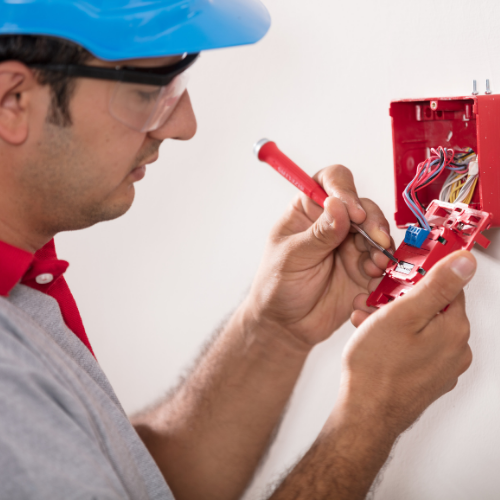
Modern fire alarm systems include:
- Addressable alarm panels
- Emergency notification systems
These systems help identify threats quickly and support faster emergency response.
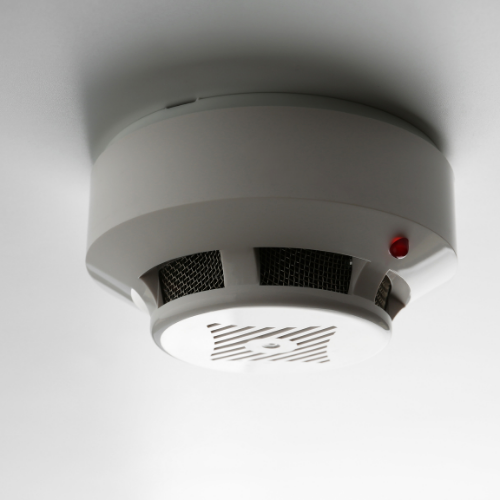
Intelligent Fire Detection Systems
Advanced detection technology can identify fire risks before flames spread.
Benefits include:
- Continuous monitoring
- Enhanced patient safety
Modern Fire Protection Solutions in Pune often incorporate smart fire detection technologies for improved reliability.
Fire Suppression Systems for Healthcare Facilities
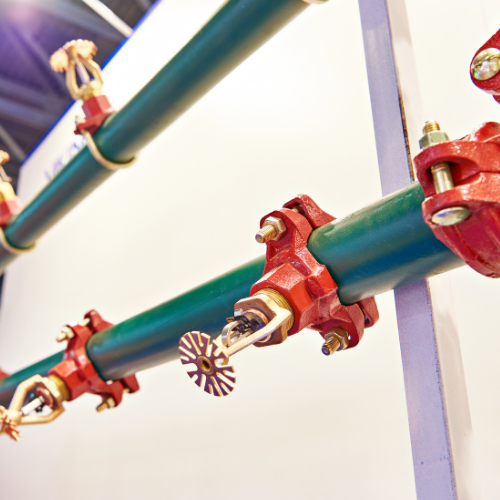
Automatic Sprinkler Systems
Fire sprinklers provide immediate fire suppression and help prevent fire escalation.
Advantages include:
- Enhanced occupant protection
- Lower property damage
Clean Agent Suppression Systems
Critical hospital areas such as data centers, server rooms, and diagnostic equipment rooms often require specialized suppression systems.
Clean agent systems offer:
- Fast suppression
- Safe operation around sensitive equipment
Fire Hydrant Systems
Hospitals typically require hydrant systems to support firefighting operations during large-scale emergencies.
Emergency Evacuation and Life Safety Systems
Emergency Exit Planning
Healthcare facilities must maintain:
- Evacuation signage
- Accessible escape routes
Effective evacuation planning is essential for patient and staff safety.
Voice Evacuation Systems
Hospitals benefit from voice evacuation systems that provide clear instructions during emergencies.
These systems help reduce confusion and improve response efficiency.
Fire Safety Compliance for Hospitals
Regulatory Requirements
Healthcare facilities must comply with applicable fire safety regulations and standards.
Compliance often includes:
- Emergency preparedness planning
- Fire NOC requirements
Maintaining compliance helps ensure patient safety and operational readiness.
Routine Fire Safety Audits
Regular audits help identify:
- Compliance gaps
- Potential fire hazards
Proactive assessments improve overall safety performance.
Importance of Fire Safety Training
Staff Preparedness
Healthcare personnel should receive regular training on:
- Fire prevention practices
- Emergency response procedures
- Evacuation protocols
- Fire extinguisher usage
Prepared staff can respond more effectively during emergencies.
Conducting Fire Drills
Routine fire drills help:
- Improve emergency readiness
- Test evacuation procedures
- Identify operational challenges
- Enhance patient protection strategies
The Role of Technology in Modern Fire Protection
Smart Monitoring Systems
Advanced fire protection systems provide:
- Remote system management
- Faster incident response
Integrated Building Safety Systems
Modern healthcare facilities often integrate fire safety systems with:
- Building management systems
- Access control systems
- Emergency communication platforms
This creates a coordinated emergency response environment.
Why Work with Professional Fire Protection Experts?
Healthcare fire safety requires specialized expertise.
Professional providers of Fire Protection Solutions in Pune can assist with:
Fire Risk Assessments
Identifying hazards unique to healthcare environments.
Customized System Design
Developing protection strategies tailored to hospital requirements.
Installation and Commissioning
Ensuring systems perform reliably under emergency conditions.
AMC and Maintenance Services
Providing ongoing inspections, testing, and compliance support.
Expert guidance helps healthcare facilities maintain the highest safety standards.
Benefits of Advanced Fire Protection Solutions
Hospitals that invest in modern fire protection systems benefit from:
- Better regulatory compliance
- Enhanced emergency preparedness
- Stronger business continuity
These advantages make fire protection a critical investment for healthcare facilities.
Conclusion
Hospitals and healthcare facilities face unique fire safety challenges that demand comprehensive protection strategies. From intelligent fire detection and sprinkler systems to clean agent suppression and emergency evacuation planning, every component plays an important role in protecting lives and critical operations.
By implementing advanced Fire Protection Solutions in Pune, healthcare organizations can improve safety, maintain compliance, protect valuable assets, and ensure uninterrupted patient care. A proactive fire safety strategy remains essential for every modern healthcare facility. https://sterlingfiresystem.com/
FAQs
1. Why are Fire Protection Solutions in Pune important for hospitals?
Fire Protection Solutions in Pune help hospitals protect patients, staff, medical equipment, and critical operations from fire-related risks.
2. What fire protection systems are commonly used in healthcare facilities?
Hospitals typically use fire alarms, smoke detectors, sprinkler systems, hydrant systems, clean agent suppression systems, and emergency communication systems.
3. Why are clean agent suppression systems used in hospitals?
They suppress fires without causing water damage to sensitive medical equipment and critical infrastructure.
4. How often should hospital fire safety systems be inspected?
Regular inspections, testing, and preventive maintenance should be conducted to ensure compliance and system reliability.
5. What is the role of fire drills in healthcare facilities?
Fire drills improve emergency preparedness, staff response, evacuation planning, and patient safety.
6. Why should healthcare facilities invest in Fire Protection Solutions in Pune?
Healthcare facilities benefit from enhanced safety, improved compliance, faster emergency response, reduced damage, and uninterrupted medical services Call 86985 40111.